
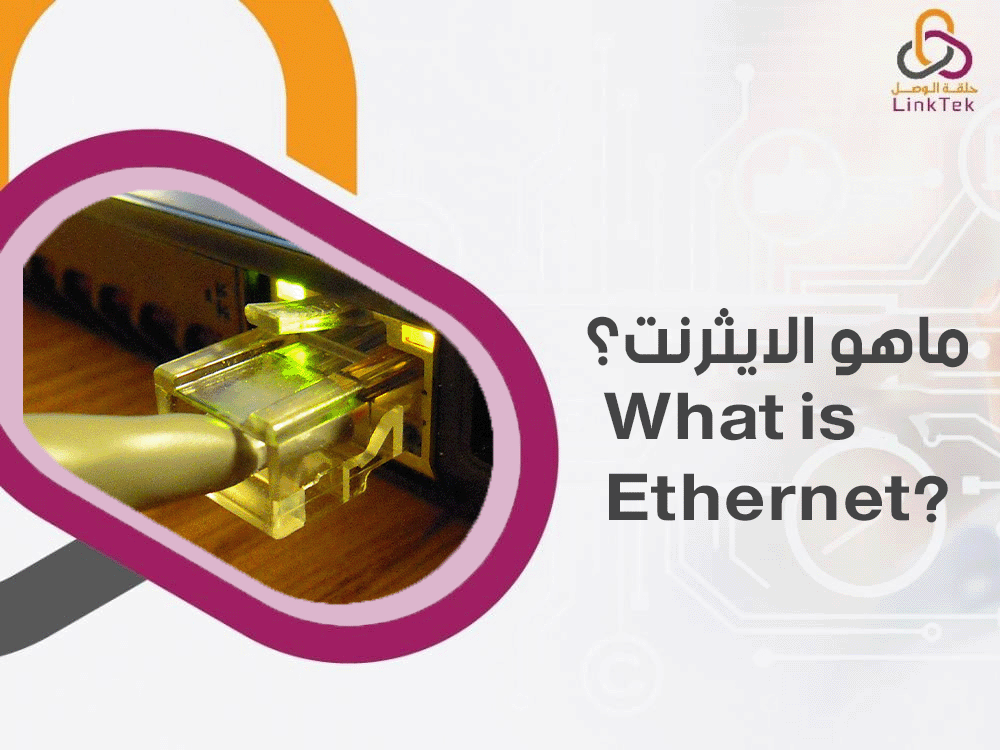

The Internet has become one of the most important basics of the infrastructure of most places. This is true for almost all places, either commercial places, homes or even schools. Of course the internet speed is an essential point to consider while installing the internet. One of the most important factors that affects internet connection is the Ethernet cable type, and that is what we are going to discuss. In this article, we will give the different Ethernet cable types, and how the ethernet cable types affect the internet speed.
What is Ethernet?
First of all, ethernet cables are the cables that connect the different devices inside the local network LAN or the wide network WAN. Ethernet cables can be divided according to a lot of features, and these features can be as follows;
- Speed supported by these cables: each cable can support a range of speeds that can be transmitted through it.
- Material or the cable material of the cable: can affect internet speed this is so apparent with fiber optic cables that give rapid speeds more than copper made cables.
- Presence or absence of a protective shield: some cables are supported by a protective shield that protects from electromagnetic waves.
- Frequency supported by the cable: as each type of cable can support a certain range of frequencies.
- Use of the cable: as each type of cable can be used in a certain use such as the use in Commercial places or home uses.
And now, ethernet cable types can be divided as follows:
- Twisted pair cables: this type of cables consist of twisted wires to decrease electromagnetic interference. This type of wire is usually known as traditional copper wire, and the most popular types of twisted pair cables are the following types:
- Cat 5 cables: these cables can support the speed up to 100Mbps, and frequency is 100 MHz per second. These speeds and frequencies make this type of cable outdated, so it is used only in case you have all the devices that could not work without these cables.
- Cat 5e cables: which are considered the modified type of the cat 5. This type can support speeds up to 1 Gigabit per second, and a frequency of up to 100 MHz. This type of cable is used in homes, due to its low cost of use.
- Cat 6: this type of cable can support speeds up to 10 gigabytes per second and the frequency of 250 MHz. It can only support short distances between 37 and 55 meters.
- Cat 6a: which are a modified type of Cat 6 cable, which are thicker and used in industrial environments.
- Cat 7: which supports speeds up to 10 gb per second with a frequency of 600 MHz. It is supported by an additional layer that protects from electromagnetic waves.
- Cat 8: which supports speeds up to 40 gb per second with the frequency 2000 MHz, and as we mentioned before, it supports high speeds so it is used in applications that require high speeds, like live streaming and data centres.
- Optic fibres cables: these cables depend on light instead of electric signals to transmit data. These types of cables are divided into two types: the first one is the single mode cable and the second one is the multiple mode type.
- Direct attach copper: these types of cables are used to connect devices directly in data centers and in places that need high performance for short distances.
How do ethernet cable types affect internet speed?
Of course, you can suspect the effect of different types of Ethernet cables on the Internet speed from the types of cables we have previously mentioned. But what are the real effects of the different types of Ethernet cables on the Internet speed? That is what we are going to mention in points.
- The category of the cable, as each category of cables can support a certain range of speeds.
- The second point is the purity of the cable's material, as this can appear clearly in the cables made from copper, where pure copper cables can support higher speeds than mixed copper cables.
- Third, the type of the used material, as cables made from optic fibers can support higher speeds than cables made from copper.
- Cables protected and unprotected, as protected cables can decrease the effect of electromagnetic wave interference, thus increasing Internet speed.
How can you choose the most suitable cable?
Based on what we have previously mentioned, you can choose the most suitable cable based on your own use mainly. But what are the other factors? That is what we are going to mention.
- The required speed: as each type of cable can support a certain range of speeds that may enable you to choose between them based on your own required speed.
- Budget: as you can choose cables with low prices like cat 6 or cat 5e in case you need to get an economical choice, while you can use cat7, cat8 cables or fiber optic cables in case you have a potential for future expansion.
- Being in environments with a high density of interference: Working in environments with a high density of interference makes it important to use insulated cables to protect against interference, such as Cat 7 and Cat 8 cables.
- Use of cables: in commercial places or data centres, you will need to get high speed internet connections which in turn controls your choice of the most suitable cables, unlike home use, which does not require high internet speeds in many cases.

The different types of Ethernet cables can greatly affect Internet speeds, through the category of the cable, the presence or absence of insulation in the cables, as well as the purity and quality of the material used. Knowing this thing helps determine the type of cables that can be used according to individual needs.