
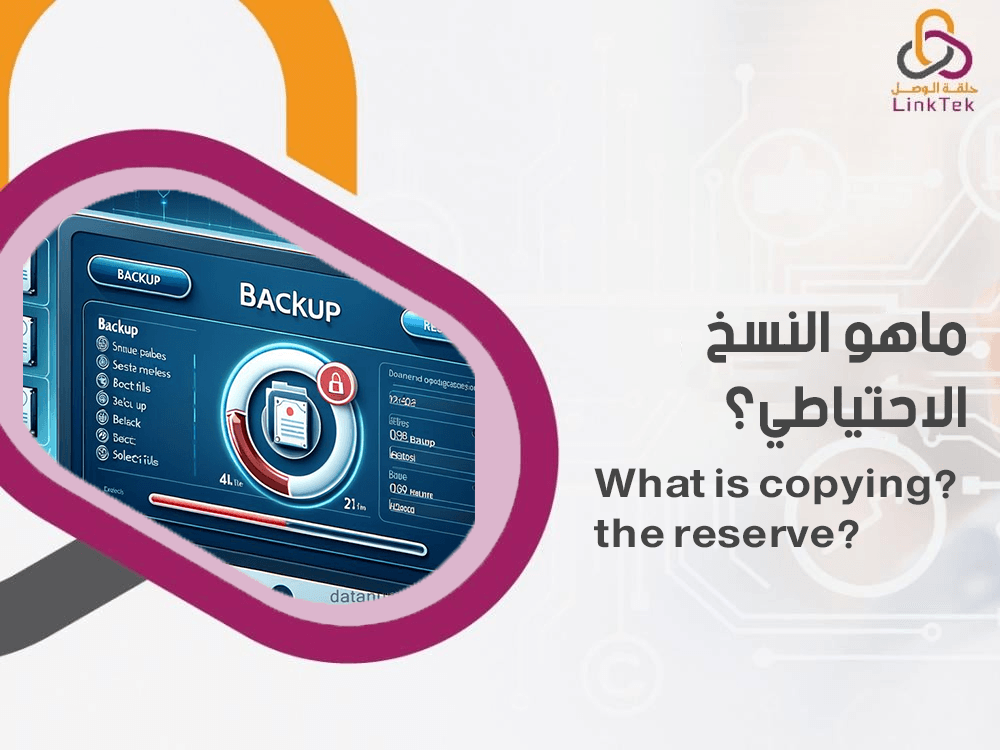

Data backup is one of the most essential practices that should be present in various electronic devices, providing strong protection against cyberattacks that may affect these devices. All devices in general, and corporate devices in particular, require continuous protection for their data. Companies especially need to safeguard their sensitive information consistently. So, what is the importance of data backup? What does data backup entail in detail? And how does data backup protect your information? This article will explore these questions.
What is Data Backup?
The first question that may come to mind regarding data backup is: what exactly is data backup? Data backup involves creating a copy of your important files and data and storing them on external storage media. The purpose is to protect this data from threats that could compromise its security and integrity.
How Does Data Backup Protect Your Data?
Certainly, the most crucial question to ask after understanding what data backup is, is the question of its importance. Generally, data backup provides protection and security against data loss, but it offers the following specific benefits:
- Protection from Accidental Deletion: It safeguards your important data from human errors that could lead to the loss of crucial information or files that cannot be recovered.
- Defense Against Unauthorized Access: Backup protects files and critical data from threats posed by hackers, viruses, and other attacks that could significantly jeopardize data security.
- Accessibility from Multiple Locations: Data backup enables you to work on files from different locations, facilitating collaboration among authorized individuals who need access to the data.
- Enhanced Security: It provides an extra layer of security that makes it easier to access data in case of issues. Regular backups help protect against various threats, so backups should be performed periodically to preserve data from loss.
Where Can You Store Backup Files?
The location where backup files are stored is crucial, as data security heavily relies on the storage medium. Here are some common methods for storing backups:
- External or Internal Hard Drives: This method is the most popular for temporary backups, as it is cost-effective and easy to use.
- Physical Storage Media: Devices like USB flash drives and DVDs are also options for backup, though they tend to be less durable and require specific storage conditions to prevent damage.
- Cloud Storage: This is one of the most common methods for storing data, offering high security, easy storage, and accessibility from various locations.
- Local Storage Networks: These allow easy access to data from different locations and provide a high degree of security, making them popular in companies and areas needing reliable storage.
- Remote Servers: These can be rented from service providers like Google and Microsoft, offering high-security and reliability for data storage.

Data backup allows you to retain your important files and protects against accidental loss or attacks from hackers and viruses. Therefore, it is essential to perform regular and continuous backups to help users safeguard their vital information.