
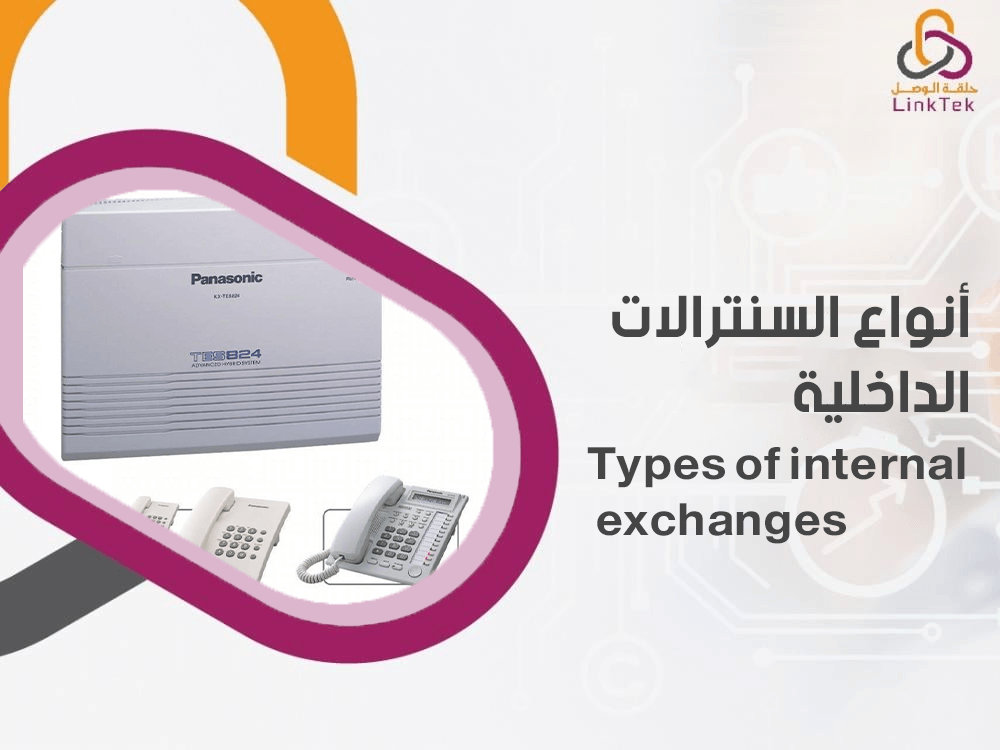

PBXs (Private Branch Exchanges) are crucial for communication setups in various workplaces. Internal PBXs are essential for facilitating communication between all work segments, including interactions between employees, different departments within the company, and clients. They also serve many other functions. This article provides an overview of the types of internal PBXs and the various functions they perform.
Types of Internal PBXs
Internal PBXs vary based on several characteristics, but they are primarily classified according to the main technologies used in their management and the features they offer. They can be categorized as follows:
- Traditional PBXs: These rely on a number of traditional analog phones. This type of PBX is easy to use but is very limited in capabilities.
- Digital PBXs: These use digital communication technologies, offering high-quality sound and various other features.
- IP PBXs and Cloud PBXs: These rely on internet protocols to operate the PBX instead of using hardware. This results in cost savings on different devices and maintenance.
- Hybrid PBXs: These use a combination of traditional, IP-based, and digital technologies, allowing the benefits of modern technologies while utilizing existing equipment.
Companies should choose the type that best fits their needs by considering the costs associated with setting up and equipping the PBX, as well as their specific requirements.
What Is the Function of Internal PBXs?
The primary function of internal PBXs is to connect employees across different departments within a company. This facilitates organizational communication and handles various external calls with other companies or parties.
An internal PBX can manage multiple calls simultaneously and direct them to the appropriate employees. Internal calls are secure from external threats or espionage. Additionally, internal PBXs offer many features that distinguish them from traditional phones.
What Sets Internal PBXs Apart from Traditional Phones?
Internal PBXs offer several advantages over traditional phones, including:
- Call Recording: This is crucial for monitoring performance across different work sectors and assists managers in various evaluations.
- Voice or Video Conferences: Some devices support voice and video conferencing.
- Interactive Voice Response (IVR): This helps users reach the appropriate departments.
- Voicemail: Allows users to leave recorded messages for employees when they are unavailable.
- Sound Quality Improvement: Some PBX types enhance sound quality for optimal audio.
- Call Queuing: Manages incoming calls from different sources.
- Integration of Voicemail and Email: Some IP-based PBXs allow integration of voicemail with email.
Benefits of Using Various Types of Internal PBXs in Business Operations
Using different types of internal PBXs in various business and service activities offers the following benefits:
- Call Recording Features: Allows monitoring and evaluating employees and assessing customer service through recorded calls.
- Enhanced Communication: Facilitates communication between employees in different departments and with clients.
- Increased Customer Satisfaction: Directs clients to the appropriate department quickly, saving time and effort.
- Cost Savings: Prevents personal phones from being used for work purposes.
- Departmental Connectivity: Connects different departments within the company and facilitates command transmission between employees.
- Easy Business Monitoring: Simplifies tracking operations across various departments.

The presence of different types of internal PBXs is essential for the digital infrastructure of workplaces. Therefore, selecting the right internal PBX type to meet business needs is crucial for achieving the best level of customer service, employee management, and inter-departmental communication, along with the many advantages provided by internal PBXs.